
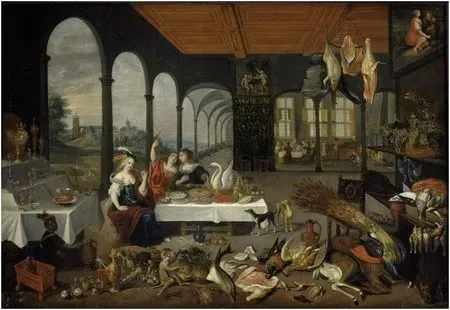
The history of the truffle is fascinating, marked by beliefs, legends and culinary prestige that have developed over the centuries. From ancient times, when it was already eaten by the Pharaohs, to its consecration in France at the table of François I, the black truffle has come a long way, evolving from an evil mushroom associated with witches and the devil to a luxury delicacy, the "Black Diamond" of the kitchen.
The truffle, often shrouded in mystery, was poorly understood in the Middle Ages, arousing both fascination and repulsion. Popular beliefs, influenced by its appearance and subterranean habitat, associated it with evil forces. This perception was so strong that even the clergy recommended avoiding its consumption. However, it found refuge and appreciation in places of power and sophistication, such as the court of the popes in Avignon, where it was appreciated despite superstition.
Truffles' rise to gastronomic fame came during the Renaissance, particularly in France, where they began to be valued as a luxury product. The Burgundy truffle, served to François I during his imprisonment in Spain, marked the beginning of his rise in the culinary hierarchy. The Dukes of Burgundy, recognizing its value, even accepted truffles as payment, testifying to its economic and social importance.
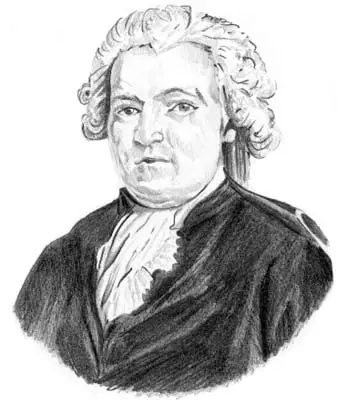
Jean Anthelme Brillat-Savarin, with his work "Physiologie du goût" published in 1825, played a crucial role in elevating truffles to the status of the "Black Diamond" of cuisine. His famous quote on truffles: "Truffles are not a positive aphrodisiac, but on certain occasions they can make women more tender and men more amiable", associated with pleasures and gluttony, confirms the luxurious status of this mushroom and underlines its role in awakening the senses and desires.
In the 19th century, the truffle became a symbol of bourgeois gastronomy, prized not only for its unique taste but also for its aura of luxury and mystery. It was also during this period that truffle-growing began to develop, thanks in particular to Joseph Talon in the Vaucluse region, who understood the symbiosis between the oak and the fungus, paving the way for more systematic production and the spread of truffle cultivation.
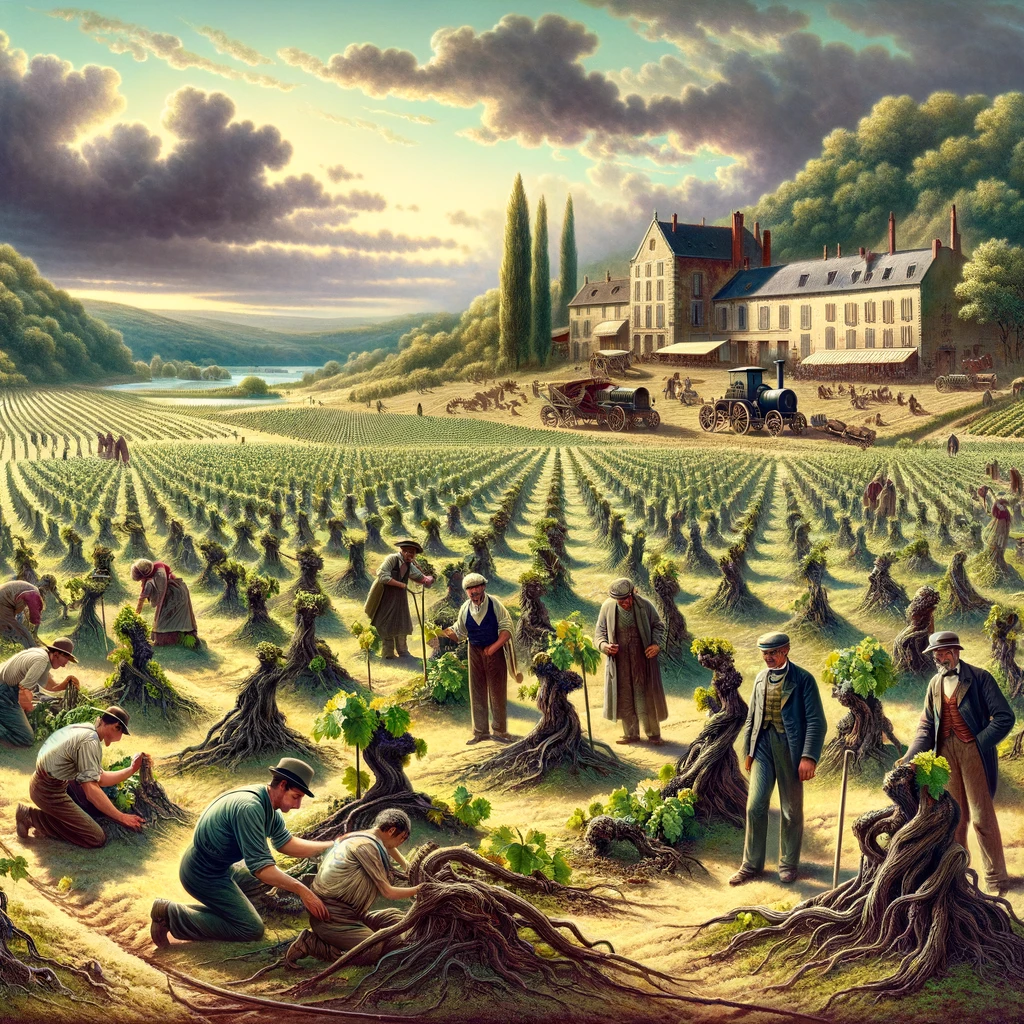
At the beginning of the 20th century, the French wine industry was profoundly disrupted by the invasion of phylloxera, an aphid native to North America that devastated European vineyards from the end of the 19th century. The phylloxera crisis, which reached its peak between 1870 and 1890, led to a profound restructuring of French viticulture. Winegrowers were forced to adopt new practices, such as grafting European grape varieties onto phylloxera-resistant American rootstocks. The crisis also had an unexpected impact on truffle production. In some regions, notably Provence and the South-West, the abandonment of wine-growing land or its conversion to truffle-growing stimulated the latter activity. Calcareous, well-drained soils, favorable to vine cultivation, also proved conducive to truffle growth.